Lida district is a modern, attractive region for life, business, and tourism, which is dynamically developing. There are two cities and 272 settlements in the district.
There are 133 thousand people living here, in Lida itself — almost 104 thousand, and in Berezovka — more than 9 thousand.
The district center has a very advantageous geographical location. The distance from Lida to Minsk is 160 kilometers, to Grodno — 100 kilometers, to Vilnius — also 100 kilometers, and to the Polish border — about 120 kilometers.
Lida district has modern industrial and agricultural production, and a high‑performance road construction complex.
It is the second most important district of the Grodno region. The industrial complex, consisting of 40 large enterprises, forms the basis of the economy.
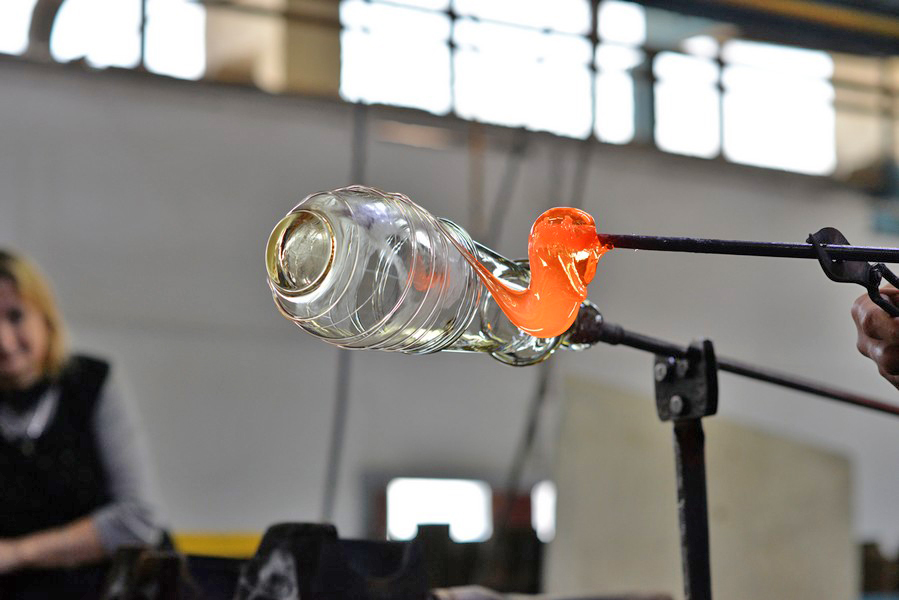
Agricultural engineering, metalworking, chemical, food, glass, and woodworking industries are well developed in Lida district, making it one of the largest industrial centers in the Grodno region.
Not only in Belarus, but also abroad, the names “Lida Flour”, “Lida Beer”, “Lida Lakokraska”, “MiLida”, “Lidkon”, “Neman Glass”, “Lida Shoes”, and “Turkey from Lida” have become recognized brands.
A successful network of educational, healthcare, cultural, physical culture, and sports institutions operates in the district.
The sports base of Lida district is actively developing. Local athletes achieve success at national and international levels.
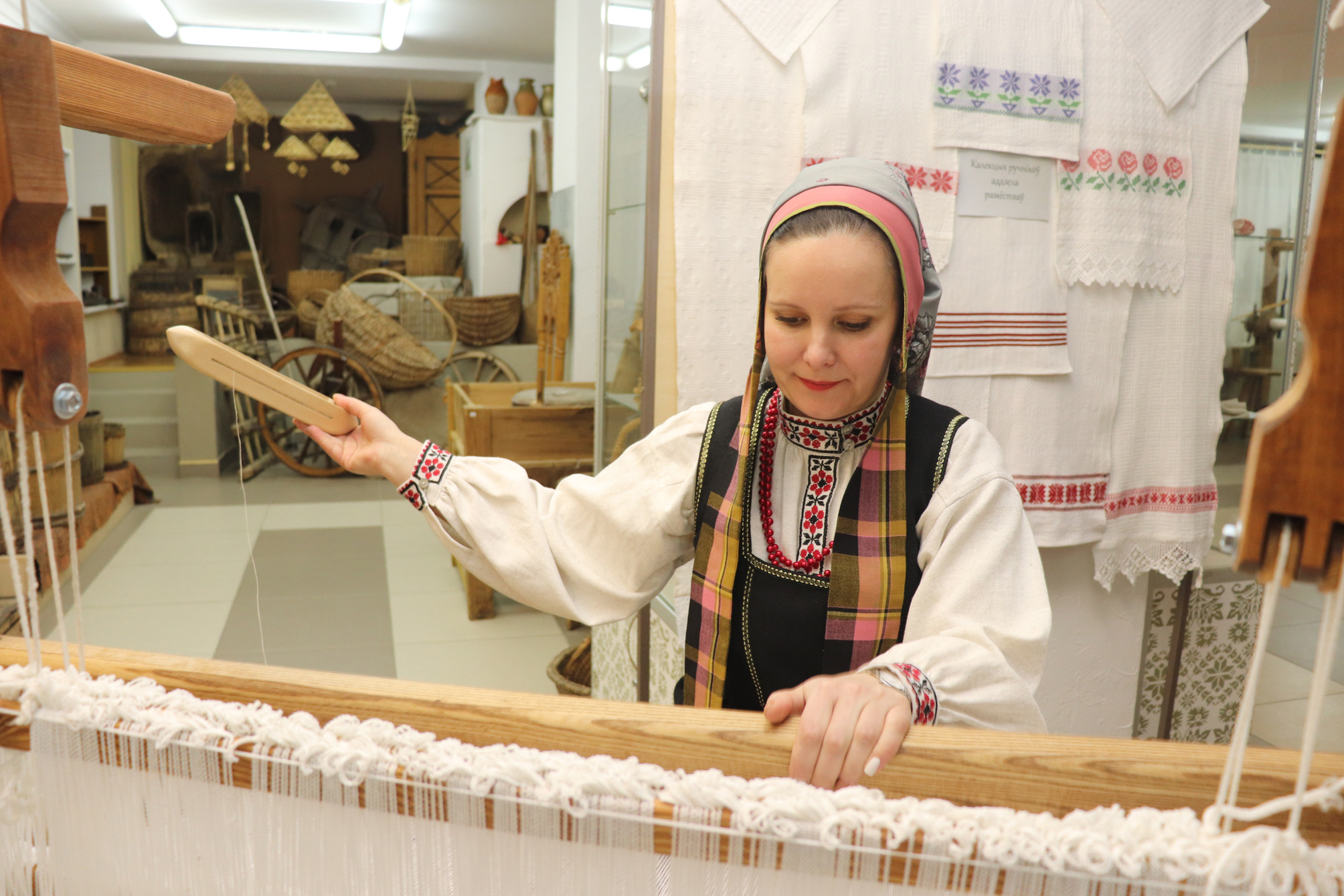
The cultural sphere is represented by the Lida District Center of Culture and Folk Art, which preserves and popularizes Belarusian traditions. Visitors can learn about rituals, song and dance folklore, and crafts such as weaving, ceramics, pottery, straw weaving, carving, and folk dolls. Masters conduct practical classes, and there is also a souvenir shop.
The Lida land is rich in its historical past, centuries‑old traditions, and cultural heritage. For those interested in history, Lida has a wonderful historical and art museum, where materials related to the district are presented.
For many years, the visiting cards of the city on the Lideika River have been its historical sights — Lida Castle, the brewery, St. Michael’s Cathedral, and the Farny Church of the Exaltation of the Holy Cross.
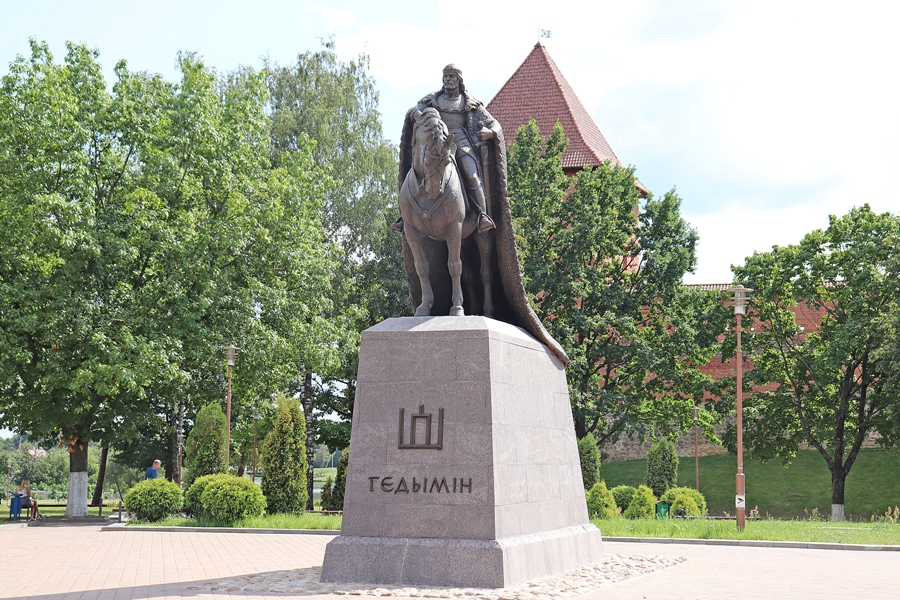
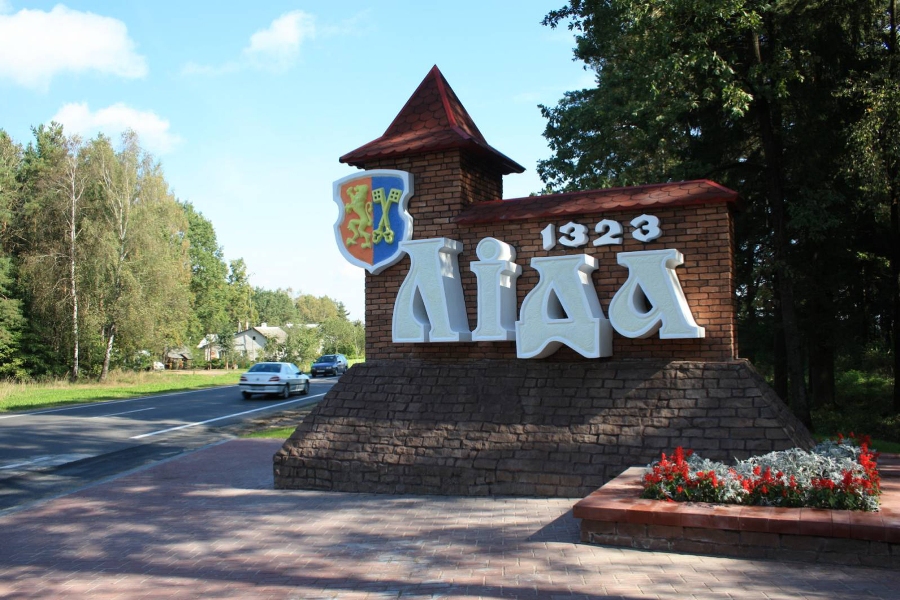
Guests of Lida also pay attention to the monument to Gedimin, erected several years ago. This is how the locals, together with the district leadership, decided to pay tribute to the Grand Duke of Lithuania. Thanks to Gedimin, in 1323, construction of a defensive facility began on a sandy hill surrounded by the marshy banks of the Lideika and Kamenka rivers. This year is taken as the beginning of Lida’s history.
They say that modern people have forgotten their roots and language — don’t believe it. If you want to get acquainted with the traditions and culture of the Belarusian people, visit the Department of Crafts and Traditional Culture of the Lida District Center of Culture and Folk Art. You will learn a lot about rituals, song and dance folklore.
Would you like to see a performance at the “Batleika” theater or visit the permanent exhibition “Treasures of the Lida District”, which popularizes certain areas of traditional Belarusian crafts? Welcome!
Perhaps you will want to master weaving, ceramics, pottery, straw weaving, carving, folk dolls, and more. The masters are ready to conduct practical classes.
Belarus is a country of forests, rivers, and lakes. On the territory of Lida district flow the large rivers Neman and Ditva, as well as many small rivers, and there are numerous lakes.
Besides arable land, which occupies more than a third of agricultural areas, a significant part of the district is covered by forests, where coniferous and deciduous trees grow.
Chronology of Lida
1st millennium BC
The formation of the culture of striated pottery in Lida district.
5th–6th centuries
The appearance of settlements of the Bantser culture in Lida district.
6th–7th centuries
The Slavic tribes settled in the region.
1323
The foundation of Lida by the Grand Duke of Lithuania Gedimin. The beginning of the construction of Lida Castle.
1387
Polotsk Prince Skirgailo swore allegiance to Polish King Jagailo in Lida Castle.
1392, August 4
At the Ostrov estate near Lida, Polish King Jagailo concluded an agreement with Prince Vitovt on the transfer of power in the Grand Duchy of Lithuania to the latter.
1396–1399
In Lida, the descendant of Genghis Khan Tokhtamysh, the last khan of the united Horde (Blue, White, and Golden), lived with his court.
1397–1443
The founder of the Crimean Tatar Giray dynasty, Ach‑Giray, chose the city as his and his family’s residence.
1422
Lida Castle became the venue for the wedding celebrations of King Vladislav Jagailo and Princess Sophia Golshanskaya.
1566
Formation of Lida county.
1569
Lida district became part of the Polish‑Lithuanian Commonwealth.
1590, September 17
Sigismund III granted Lida Magdeburg rights and a coat of arms.
1611
The Sejm confirmed the privilege of market days, which had existed in Lida district since ancient times.
1638
A permit was obtained for the construction of a warehouse in Lida Castle for storing the register books of the Lida Zemsky Court.
1702
One of the Swedish troops burned part of the city and blew up both castle towers.
1759
A collegium was opened at the Lida Piar Monastery. Its graduates made significant contributions to science and literature. One of them was Stanislav Yundill, professor of Vilna University.
1795
Lida county was annexed to the Russian Empire as a result of the third partition of the Polish‑Lithuanian Commonwealth.
1797
On the way from Slonim to Vilna, Russian Emperor Paul I stayed in Lida.
1876
The Pupko Brewery was opened in Lida.
1883
A glass factory was founded on the banks of the Neman River. This marked the beginning of the history of Berezovka.
1884, December 30
The Vilna–Lida–Luninets railway was opened, which contributed to the active development of industry. The Lida railway station was put into operation. Numerous factories and workshops began to operate.
1896
The first printing house was opened in Lida.
1901
A foundry and a private women’s school run by M. Novitskaya were opened in Lida.
1913
The Men’s State Gymnasium was opened.
1915, September
Lida district was occupied by the troops of Kaiser’s Germany.
1919, January
The Red Army liberated Lida, and Soviet power was established.
1919, April 17 – 1920, July 17
Lida district was occupied by Polish troops.
1921
According to the Riga Peace Treaty, Lida district became part of the newly established Novogrudok Voivodeship of Poland.
1926
The Chertki brothers opened a nail factory in Lida.
1929, August
The first products were produced at the Lida rubber shoe factory “Ardal”.
1939, September 18
Lida became part of the Byelorussian SSR.
1940, January 15
By Decree of the Presidium of the Supreme Soviet of the BSSR, the Lida district was formed as part of the Baranovichi region.
1941, June 27
Lida was occupied by the troops of Nazi Germany.
1942, May 8
In Lida, the Nazis shot the prisoners of the Jewish ghetto.
1944, July 8
Lida was liberated from the fascist invaders.
1945, April
The first products were produced at the Lida Food Concentrates Plant.
1948, June 4
The first collective farm after the Great Patriotic War was established on the Zhirmuny estate.
1951, September
A College of Agricultural Mechanization was opened in Lida.
1953
The Lida Dairy and Canning Plant was put into operation, and bus service was opened on the first route.
1958, July
The Lida Automobile Repair Plant was established.
1959
A local history museum was opened in Lida.
1965, June
The first stage of the Lida Paint and Varnish Plant was put into operation.
1966, May 9
The Mound of Immortality was laid in Lida.
1980, September 5
The city of Lida was awarded the Order of the Badge of Honor.
1989, July
A monument to Adam Mickiewicz was unveiled in Lida.
1993, April
Lida registered its 100,000th resident.
1993, July
A monument to Francysk Skaryna was unveiled in Lida.
1995
The urban settlement of Berezovka was granted city status.
2004, February 9
By the Decree of the President of the Republic of Belarus, the Lida district and Lida were merged into one administrative‑territorial unit — the Lida district.
2005–2009
Lida hosted a number of international exhibitions‑presentations “Lida‑Region”.
2009, June 29
By the Decree of the President of the Republic of Belarus, the city of Lida was awarded the pennant “For Courage and Resilience during the Great Patriotic War”.
2015
The first festival of hops, malt, and water Lidbeer was held.
2019
A monument to the founder of the city, Gedimin, was unveiled in Lida. The city received the torch relay of the II European Games.
2020
Lida was declared the Cultural Capital of the Republic of Belarus.
2023
The first archaeological excavations were carried out in the center of Lida. The city celebrated its 700th anniversary.
2025, September 6–7
Lida became the capital of the celebration of the Day of Belarusian Written Language.